
The Customer’s Journey Behind Repeated Ads
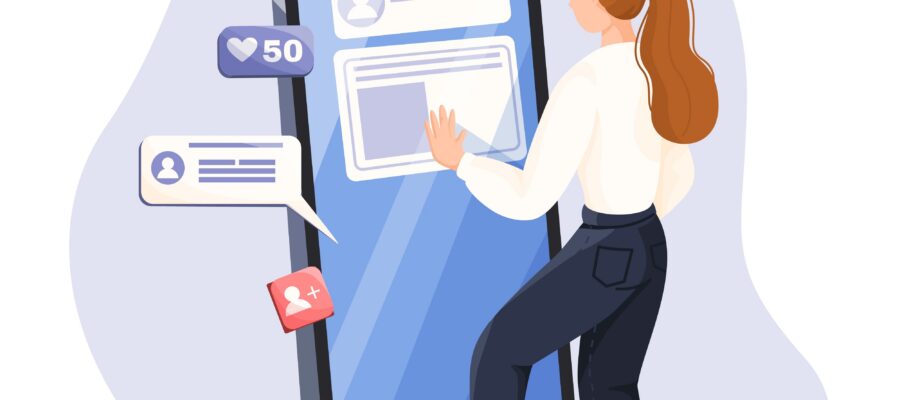
You’re searching for a new pair of running shoes on a Wednesday afternoon. You browse through a couple of pairs, checking the prices, but then exit because it’s time for lunch.
While posting pictures on Facebook that Saturday night, you start seeing those same shoes following you around on Instagram. Come Monday morning, those shoes are staring at you from a banner on your favorite news site.
It feels like your computer and phone are reading your mind, which is a creepy feeling. But in reality, this repeated imagery is a technically designed persuasion funnel. A funnel that moves potential buyers through a linear buying process with calls-to-action.
But how does this process work? Let’s get behind the curtain of your browser to learn exactly how brands stay at the top of your mind (and screens) after you leave their site.
It’s not magic — it’s marketing!
Why Do I Keep Seeing The Same Ads?
Simple. It’s either cookies or Pixels.
When you visit a website, they place a tiny bit of tracking technology into your browser, so that when you leave that site and browse the rest of the internet, they can still serve you ads directly from their database.
Retargeting, which is the name of the advertising discipline we’re discussing today, serves purpose-built advertisements to you on other websites or social media platforms after you’ve left their property. By keeping the audience engaged after someone leaves a website, advertisers turn casual browsers into warm prospects.
Retargeting Ads
Ready for a quick and simple explanation of retargeting ads? Let’s see how the cookie crumbles.
When you visit any website in your browser, they place a small section of code in your window. Think of this code like a marketing pigeon with a message tied to its leg — this pigeon won’t steal your files or slow down your computer. In fact, there are a bunch sitting in your browser right now.
The code, usually referred to as a “pixel,” allows advertising networks to know when you leave a site and visit another property in their network. Because that business already paid to target specific keywords (“Blue Suede Boots” or “Cloud Computing Software”), their ad is now queued to appear in front of you again.
Basically, retargeting creates a visual reminder for your brain between that initial interest and your final purchase. Without retargeting, a brand might be lost to your memory as soon as you leave the tab.
Targeted Ads Through the Buying Process
At this point, you might be wondering why all of these ads aren’t identical. After all, you technically visited the same site.
Great question! Any good remarketing strategy actually shows different ads based on a visitor’s buying stage.
Think of it like window shopping. When a shopper first enters a brick-and-mortar store, they look at the front display. If they’re interested, they might browse a rack or ask a sales associate about an item. Eventually, that interested browser puts something in their cart.
Now if they leave without paying, smart retailers will offer those lost shoppers 10% off in exchange for their email. Essentially telling them, “We know you were interested. Here’s an incentive to come back!”
Your browser cookies act the same way. When carefully managed, remarketing lets you see different ads based on your behavior towards a specific company.
The Cookie Crumbler
Want to stop seeing shoes thrown at you today? Clear your browser cookies, or browse in “Incognito” mode. Doing either will reset the pixels already set.
How Does Retargeting Help Guide My Decision?
Each time you visit a website, that site can remember specific aspects of your journey. Did you visit five pages and browse for fifteen minutes? Was it just the homepage?
From there, businesses serve ads reminding you where you left off. Enticed by hopefully stunning imagery, some visitors return and resume their browsing experience. By repeating specific messages over time, brands narrow down customer feedback and improve their sales funnel for return visitors.
What Is Retargeting?
Retargeting is a form of online targeted advertising that focuses on recent Internet actions. Unlike traditional Google ads that cast a wide net to find new customers, retargeting specifically markets to warm leads that have shown prior interest in a brand.
Retargeting can take many forms:
- Site retargeting: You visit a website, then see related ads on other sites
- Email retargeting: You receive and open an email from a brand, but don’t click anything within the message. You may see more emails from them in future.
- Search retargeting: Searching for “computers” on Google and seeing ads for BestBuy.com even if you never clicked through to their site.
Google’s Role In Retargeting
How does Google know you are searching for boots? They don’t. At least not specifically “your” boots.
Google runs one of the largest ad networks in the world. When businesses buy ads through Google, they can serve their marketing materials on billions of websites and apps. Part of Google’s marketing network involves letting businesses target anyone who visits their site within the last 30 days.
While other advertisers can use this system too, Google captures the majority of these actions because they have the biggest network to leverage.
The Impact of Social Media Ads
All of the above happens on social media ads too. By analyzing how long you look at specific posts, these apps can re-engage shoppers who don’t convert on the first visit.
Doesn’t your Facebook page already know everything about you? Well, sort of.
The difference with Facebook, Instagram, and Twitter is projection. By scouring your clicks, these companies have predictive models to determine what you’ll click next. Want to see those shoes one more time? If you lingered on a YouTube video about those shoes for 45 seconds, chances are Facebook will show you those shoes again in the next hour.
Stages of the Buying Funnel
3 Stages: Awareness, Consideration, and Decision
If you’ve taken a marketing class in the past, you might be familiar with the basics of a sales funnel. Every time you visit a site, you are placed at the top of that funnel. The job of marketing is then trying to figure out which ads push you to buy.
Awareness
This is the stage where someone isn’t quite sure a brand exists. You might have only found a blog post about the shoes while running a quick search. People in this stage are not ready to buy. They are simply researching solutions for a problem.
Consideration
You like what you see, but let’s say you still want to browse other options. You look at reviews, analyze return policies, write down prices for the cheaper alternatives.
This is also considered the evaluation phase. How do repeated ads help buyers in this stage? By acting as timely reminders of value.
Decision
Congratulations! You decided to actually spend money.
At this point in the funnel, someone is ready to make a purchase. These ads become very specific, promising you will save time or money by clicking “Buy Now.”
Why Does Seeing the Same Thing Even Work?
As humans, we are drawn to familiarity. Every time you see a brand, you’re building recall and legitimacy within your brain. This phenomenon, called the mere-exposure effect, lets advertisers take advantage of comfort.
When you see one brand over and over again, you begin to trust it subconsciously. Even if they’re not the best at what they do, in your head, that company feels more professional because you’ve seen their logo before.
Trust & Authority
Ever wonder why some companies can place ads anywhere?
These brands have spent years, sometimes decades, building a digital footprint. When you see a company on Google, Facebook, Instagram, and your favorite news site, you perceive that brand as more knowledgeable.
Repeating your message at intervals (think about mailing lists and newsletters) proves to your audience that you are invested in your company. Which is more valuable: a company begging for your attention, or one working hard on quality content?
How Can I Trust These Cookies Aren’t Evil?
Understanding the strategies behind ad placement is just one piece of the puzzle. Here are some strategies used by professionals to keep their ads from over-reaching.
Ad Frequency
How many times should a visitor see your ad? That’s exactly the question you should be asking.
Experienced marketers use caps on how many times someone should see their ad in a 24-hour period. By limiting duplicate views, professionals reduce the chances of irritating their audience.
Dynamic Creative
Dynamic creative actually refers to the products you see within an ad.
Companies might use static banners with their logo across the top, but professional marketers instead tailor their ads towards the specific products you viewed on their site.
If you viewed red sneakers, you’ll now see an ad for red sneakers — not just any sneakers. By personalizing ads based on your behavior, savvy marketers make their ads feel less intrusive.
Call on Dallas SEO Dogs | Let’s Talk Plans
It takes a special kind of person to dig through every nook and cranny of the advertising industry. Not everyone has the time or resources to become an SEO expert. Heck, some don’t even know why their cookies are evil!
If your current digital marketing plan feels like a black box, it might be time to reach out for some professional guidance. Far too often, business owners get burned by “cookie-cutter” SEO agencies that ghost their clients and serve pointless reports.
At Dallas SEO Dogs, we strive to look past vanity web metrics and reach experts who can guide you through Google’s ever-changing algorithms. Local businesses looking to expand throughout North Texas and beyond work with us to improve their digital infrastructure.
B2B companies growing organic traffic also benefit from a streamlined SEO plan. By prioritizing entity-first strategies, our team helps business owners transition from “finding customers” to “being found.”
If you’re ready to take your web presence to the next level with a growth-minded attitude, let’s talk plans.


