
Email Marketing Best Practices
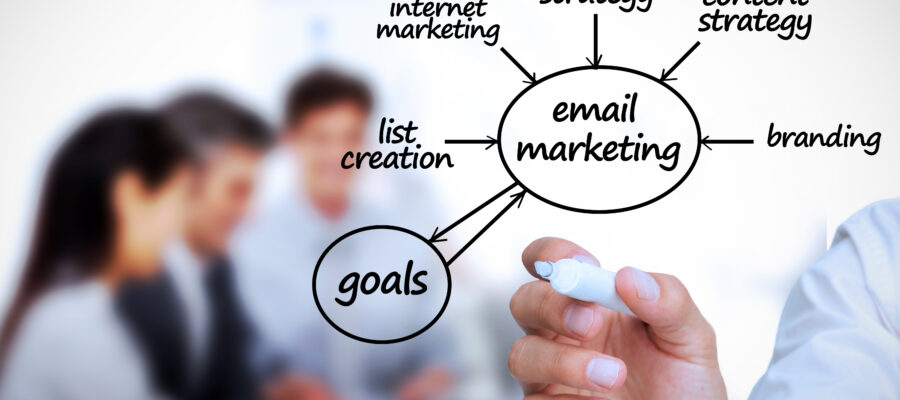
Posting great content is only half of the battle. For many businesses looking to build a deeper relationship with their audience, top-of-mind awareness requires infiltrating the inbox.
Whether you’re using social channels, ChatGPT-powered discovery tools, or even good old-fashioned Google, your audience has more ways to find you than ever before. However, when you own someone’s attention in their inbox, you have the chance to earn their loyalty.
Let’s make sure your next email marketing campaign follows best practices — and sees massive engagement (and revenue).
What is Email Marketing?
Email marketing means sending emails to prospects and customers to nurture leads and make them aware of what your company offers. In practice, this means sending subscribers personalized content, special offers, company updates, and anything else that adds value throughout the buyer’s journey.
The key advantage of email marketing is ownership of your contact list. You decide when to send emails, and you control the messaging. Unlike social channels — where a dozen different algorithms dictate who sees your posts — email allows you to send a message directly to someone who has opted in to hear from you.
The Best Email Marketing Software To Use
While there are dozens of third-party tools to choose from when sending your next email campaign, choosing the right platform for you is crucial. These are our top picks, looking at each one’s features, integrations with CRMs, and price points for maintaining large subscriber lists.
- ActiveCampaign: Our all-around favorite due to its large library of marketing automation tools. Over 900 workflow automation templates and excellent CRM integrations make ActiveCampaign a leader for B2B marketing.
- Brevo: Formerly Sendinblue, this software is great for small businesses that want an intuitive free plan with great support. Brevo has awesome automation and transactional email capabilities.
- MailerLite: This tool has become our go-to for beginners who want a very easy-to-use drag & drop editor and unbeatable pricing. MailerLite still includes great automation tools for its price point.
- HubSpot: The classic. An all-in-one CRM and marketing hub. If you would benefit from deep integration with your sales and service data, HubSpot has you covered.
- Klaviyo: The old guard of ecommerce-specific email software. If you’re a Shopify store, chances are you’ve heard of Klaviyo and their seamless store integration. This tool can trigger emails when specific products are viewed or carted.
Quick Hint | Select for Deliverability
Before signing up for any tool, check online to make sure the provider has good “deliverability.” If their servers are marked as spammy by internet providers, you emails likely won’t reach the inbox.
What To Include in an Email Campaign
Sending your next marketing email starts with knowing what makes an effective campaign. While some of these tips are visible to subscribers, others exist behind the scenes to promote consistency and healthy engagement.
Subject Line
The subject line is the most important part of your email. It’s the first thing your reader sees and determines whether they open your email at all. Keep subject lines around 30-50 characters so they aren’t cut off on mobile devices, and by including your subscriber’s name and/or creating a sense of urgency, you will drastically improve your open rates.
Preview Text
If your subject line is the hook, your preview text is the tease. Use this column space to clarify your subject line and provide a reason to click through.
Personalization + Segmentation
Sending the same generic marketing email to your entire list will quickly burn subscribers and increase your unsubscribe rate. Use segmentation to split your master list into smaller groups.
Segmentation allows for personalization when crafting your message. Say you own a “Local Hero” business with locations in multiple cities: You would create separate segments for each zip code and send tailored invites to a new location’s grand opening.
Mobile-First
Over 60% of emails are opened on mobile devices, so it’s more important than ever to design in a single-column, responsive format. Readers shouldn’t have to zoom or scroll sideways to read your copy. Keep button sizes large, and use whitespace to your advantage.
Buttons & Calls to Action
Speaking of buttons, every email should have one primary goal. Make the desired action visually obvious and use action-based copy: “BOOK A CALL,” “READ MORE,” “SHOP THE SALE.”
Include the Unsubscribe Link
Emails no one asked for are called spam. Make it easy for subscribers to unsubscribe if they no longer care to receive your content. This may seem backwards, but your list health is extremely important — and for readers, subscribing to a multitude of newsletters you’re not reading hurts everyone.
Set Up Email Authentication
Email authentication simply proves to the receiving mail server that you are who you say you are. Major providers like Gmail watch for these details to prevent spoofed email addresses from sending malware. You can set SPF, DKIM, and DMARC records through your domain hosting provider.
How To Measure Success From Email Marketing
Your focus as a marketer shifts as you gain more customers. In 2026, you care less about vanity metrics and focus heavily on strategies that directly contribute to leads and revenue.
Click-Through Rate (CTR) — An overall representation of your content quality. How many people clicked at least 1 link in your email.
Click-to-Open Rate (CTOR) — A better representation of content quality. This only takes into consideration the people who opened your email.
Conversion Rate — The bottom line. How many people took the desired action and completed your goal?
Bounce Rate — A high bounce rate could mean your list is old and needs cleaning up, or possibly that your email isn’t passing authentication and the issue is technical.
Unsubscribe Rate — This should never be high. If you suddenly see a mass amount of unsubscribes, your list may not want content at the frequency you’re sending it.
Focus on these KPIs with each campaign and adjust your strategy as needed. Conduct continual A/B tests on everything, from subject lines to send times, to uncover what performs best with your specific audience.
Call on the Dallas SEO Dogs for Your Newsletter and Email Marketing
Growing and maintaining the best permission-based email list doesn’t happen overnight. Learn best practices for email marketing campaigns by creating repeatable, automated journeys that nurture subscribers while they go about their day.
Remember to:
- Segment your lists for more personalization.
- Design everything with the mobile user in mind.
- Create emails that simply drip-feed valuable content.
Dallas SEO Dogs knows best practices for email campaigns because we implement them on your behalf every day. We’re a digital marketing company with decades of combined SEO experience, specializing in entity-first optimization.
Let us handle the technical while you own your niche. No more guessing and hoping. You’re ready to be found — now let’s work together to get you chosen.


